
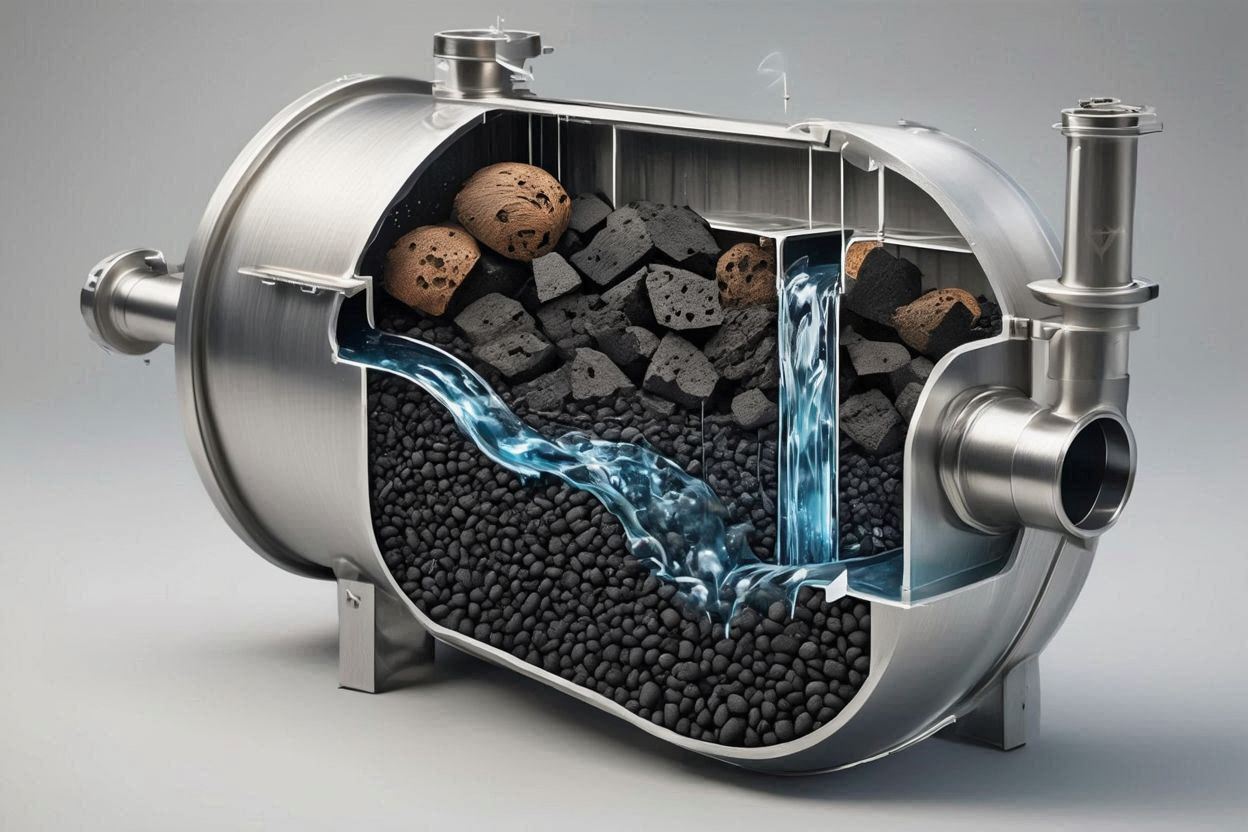
Coconut shell charcoal for filtration plays a crucial role in modern purification systems used in water treatment, air cleaning, and industrial processing. As global awareness of clean resources increases, industries continue to seek efficient and environmentally responsible filtration materials.
Unlike conventional carbon sources, filtration-grade charcoal comes from renewable coconut shell waste. Therefore, this material supports sustainability while delivering reliable adsorption performance. As a result, many filtration system manufacturers and industrial users prefer coconut-based carbon over wood-derived alternatives.
Why Coconut Shell Charcoal Is Ideal for Filtration
High-quality filtration charcoal made from coconut shells features a dense microporous structure. First, producers select mature shells with high carbon content. Then, controlled carbonization and activation processes create a large internal surface area.
Consequently, the charcoal absorbs impurities such as chlorine, odors, organic compounds, and certain heavy metals more effectively. Moreover, its natural hardness reduces material breakdown during filtration cycles, which improves efficiency and product lifespan.
Sustainable Production and Environmental Benefits
Sustainability remains a major advantage of coconut-based filtration carbon. Since coconut shells are agricultural byproducts, manufacturers reuse materials that would otherwise become waste. In addition, modern production facilities apply efficient activation methods to reduce emissions.
Furthermore, responsible waste management practices support compliance with international environmental standards. Therefore, this filtration material aligns well with green industry initiatives and eco-conscious purchasing policies.
Applications in Water Air and Industrial Filtration
This type of charcoal supports a wide range of purification applications. For example, water treatment systems rely on coconut-based carbon to remove contaminants, improve taste, and reduce chemical residues. As a result, it is commonly used in municipal, residential, and commercial filters.
In air purification, activated charcoal captures odors, volatile organic compounds, and harmful gases. Meanwhile, industrial sectors utilize coconut shell carbon in gas purification, chemical processing, and wastewater treatment systems.
For additional insight into coconut-based charcoal products, you can explore Coconut shell charcoal, which explains material quality and production standards in more detail.
Quality Control and Filtration Performance
Reliable suppliers maintain strict quality control to ensure consistent filtration results. They test iodine value, moisture level, ash content, and particle size distribution. Therefore, buyers receive products that match specific filtration system requirements.
Moreover, uniform granule sizing improves flow rate and contact efficiency inside filtration units. As a result, systems operate more effectively with reduced maintenance needs.
Export Standards and Secure Packaging
Export-ready filtration charcoal follows international packaging and safety standards. Manufacturers use moisture-resistant packaging to preserve product quality during storage and long-distance shipping.
Consequently, overseas buyers receive stable and ready-to-use filtration materials. This reliability supports long-term cooperation between suppliers and global distributors.
Choosing the Right Filtration Charcoal Supplier
When selecting a supplier, buyers should evaluate experience, production capacity, and technical support. An established producer can deliver consistent quality while handling bulk orders efficiently.
In addition, customization options such as particle size, activation level, and private labeling help businesses match specific filtration applications and market demands.
Trusted Source for Coconut-Based Filtration Carbon
To find a dependable supplier, visiting the official website of a trusted manufacturer is a practical step. You can review product specifications and export services directly at indobriquetteescharcoal.
Conclusion
Coconut shell charcoal for filtration provides an effective, sustainable, and high-performance solution for modern purification needs. By combining strong adsorption capability, environmental responsibility, and export readiness, this material supports clean water, clean air, and efficient industrial operations worldwide.

 Khenzo Leonard Pasoge
 vina
vina