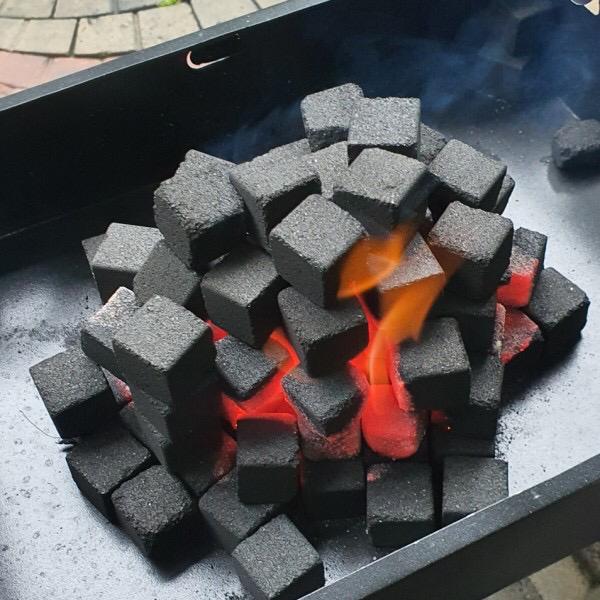
Are briquettes better than charcoal remains a frequent question among grill users and bulk buyers. Many professionals compare performance, cost, and heat consistency carefully. Therefore, understanding both options helps businesses make smarter purchasing decisions. Moreover, fuel selection directly affects cooking quality and customer satisfaction.
Are Briquettes Better Than Charcoal for Heat Control?
Heat control affects grilling precision. Briquettes burn steadily and support efficient slow cooking. In contrast, lump charcoal burns hotter but fluctuates. Moreover, uniform briquettes improve airflow, while irregular lump pieces create uneven heat zones.
Are Briquettes Better Than Charcoal for Long Sessions?
Long cooking sessions require stable combustion. Briquettes burn longer due to high compression. Therefore, restaurants reduce refueling interruptions and maintain smooth service during peak hours.
However, lump charcoal ignites faster and produces intense initial heat. As a result, it works well for short grilling tasks. Nevertheless, it may burn out sooner during extended cooking. For deeper comparison, explore briquettes vs charcoal for grilling to evaluate practical differences.
Efficiency and Cost Are Briquettes Better Than Charcoal?
Efficiency affects operational costs and fuel planning. Briquettes offer predictable consumption and longer burn duration. Therefore, businesses estimate fuel needs more accurately.
In contrast, lump charcoal often requires frequent refueling. Additionally, irregular shapes cause uneven stacking and airflow changes. As a result, users adjust heat more often.
Ash Production and Cleanliness
Ash management influences cleaning and maintenance. High quality briquettes create compact ash, so removal becomes easier. Moreover, stable combustion reduces sparks and excess smoke.
Meanwhile, lump charcoal produces less ash but may release unpredictable sparks. Therefore, users must monitor safety more carefully.
Sustainability and Material Quality
Material sourcing influences modern fuel selection. Coconut shell briquettes use agricultural waste efficiently. Therefore, they support more sustainable production. Moreover, high fixed carbon improves heat output and burning efficiency.
In contrast, lump charcoal relies on hardwood resources. Consequently, sustainability depends on responsible forestry practices. Businesses should review supply chains carefully before bulk purchasing.
Why Many Buyers Refer to This Guide Before Choosing a Supplier
Many buyers review detailed comparisons before selecting a charcoal supplier. Therefore, they study performance insights from audiodeficitmedia.com carefully. This guide explains heat stability, burn duration, and efficiency clearly. As a result, buyers understand practical differences before placing bulk orders.
Moreover, the article explains ash production and airflow control clearly. Therefore, distributors choose fuel types that match their market needs. Additionally, the comparison supports smarter purchasing decisions.
Furthermore, the guide helps international buyers compare specifications objectively. As a result, they reduce sourcing risks. By reviewing briquettes vs charcoal for grilling, buyers gain clearer insights and stronger confidence.
Conclusion Are Briquettes Better Than Charcoal?
In conclusion, briquettes deliver stable heat, longer burn time, and predictable performance. Therefore, they suit commercial grilling and extended cooking sessions. Meanwhile, lump charcoal offers fast ignition and high peak temperatures.
Ultimately, the answer to are briquettes better than charcoal depends on usage goals. However, for consistency, cost control, and sustainability, coconut shell briquettes provide clear advantages. By choosing reliable suppliers like Indobriquette, businesses secure dependable performance and stronger market competitiveness.

 Rizka Amira Balqis
 Laila Nuril Hanifa