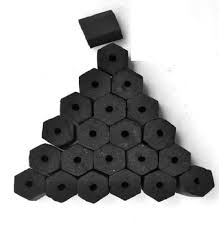
Coconut shell charcoal vs original comparisons help buyers choose the most efficient fuel solution. Many users still hesitate before switching products. However, understanding the core differences simplifies the decision process. Moreover, performance factors influence long term operational costs. Therefore, evaluating burn time and heat stability becomes essential. In addition, cleaner combustion improves overall user experience. As a result, businesses increasingly prefer coconut based briquettes.
Key Differences in Coconut Shell Charcoal vs Original Performance
First, coconut shell charcoal burns longer than original wood charcoal. Consequently, users reduce frequent replacement during sessions. Furthermore, higher density supports stable heat output. This consistency improves cooking and hookah performance significantly.
In contrast, original charcoal often produces uneven heat. Therefore, temperature fluctuates unexpectedly. Moreover, irregular shape affects airflow circulation. As a result, combustion becomes inconsistent.
Coconut based briquettes also generate less smoke. Cleaner burning protects flavor quality effectively. Consequently, restaurants and lounges create more comfortable environments. Additionally, low ash residue simplifies cleaning procedures.
Heat Stability in Coconut Shell Charcoal vs Original Products
Burn Duration Comparison
Coconut shell charcoal maintains steady heat for extended periods. High carbon content increases calorific value significantly. Therefore, users achieve longer sessions without interruption.
Meanwhile, original charcoal burns faster under similar conditions. Rapid consumption increases operational costs. Consequently, businesses spend more on frequent refueling.
Airflow and Combustion Efficiency in Coconut Shell Charcoal vs Original
Uniform briquette structure improves oxygen distribution. Balanced airflow ensures complete combustion. As a result, coconut charcoal delivers predictable performance.
On the other hand, irregular original charcoal blocks airflow. Poor circulation reduces combustion efficiency. Therefore, smoke output becomes heavier and less stable.
Many distributors recommend coconut shell charcoal hookah products for consistent smoking sessions. Their dense structure supports stable bowl temperature. Furthermore, controlled heat preserves tobacco flavor quality. Consequently, hookah lounges prefer coconut briquettes over traditional options.
Sustainability and Market Preference
Coconut shell charcoal utilizes agricultural waste materials. Therefore, production supports environmentally responsible practices. Moreover, renewable raw materials reduce deforestation impact.
Original charcoal typically relies on hardwood resources. This dependence raises environmental concerns. Consequently, global markets increasingly shift toward sustainable alternatives.
International buyers also prioritize export grade consistency. Uniform size and density strengthen brand reliability. As a result, coconut charcoal gains stronger demand worldwide.
Choosing a Reliable Supplier for Coconut Shell Charcoal vs Original Needs
Selecting the right supplier guarantees consistent product standards. Therefore, businesses must evaluate manufacturing capacity carefully. Quality control procedures ensure reliable density and burn time.
You can explore premium supply options at woodlandscarsales.com. The platform provides detailed information about coconut shell charcoal solutions. Moreover, they emphasize quality and stable production output. As a result, buyers secure dependable products for long term operations.
Additionally, professional logistics management supports global distribution. Efficient shipping schedules prevent inventory shortages. Consequently, businesses maintain smooth and uninterrupted service.
Conclusion
Coconut shell charcoal vs original analysis clearly shows performance and sustainability advantages. Coconut briquettes burn longer and cleaner. Moreover, they provide stable heat and lower ash production. Therefore, many industries now prioritize coconut based fuel solutions. By partnering with trusted suppliers, businesses secure efficiency, consistency, and long term growth opportunities.

 Rizka Amira Balqis
 Laila Nuril Hanifa